
-
E-mail:
18333041899@163.com -
Tel:
86-18333041899
E-mail:
18333041899@163.comTel:
86-18333041899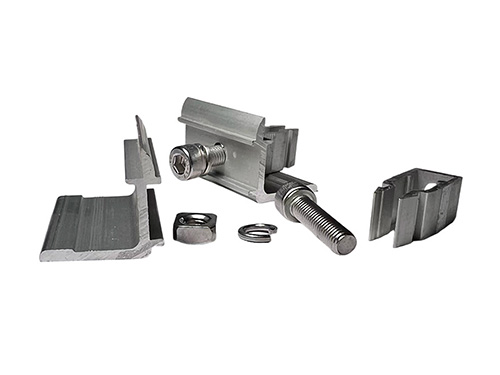
A photovoltaic PV system converts sunlight into usable electricity through coordinated operation of specialized components. These parts work synergistically to capture solar radiation, convert it to electrical energy, regulate power output, and ensure safe, efficient delivery. Below is a detailed overview of key PV system parts, tailored for technical documents or sales materials (500 words):
1. Solar Panels (PV Modules)
The core energy-harvesting component, solar panels consist of interconnected solar cells (typically silicon-based: monocrystalline, polycrystalline, or thin-film). Each cell generates direct current (DC) when exposed to sunlight via the photovoltaic effect. Key features include:
Power output: 300–500W per panel for residential/commercial use.
Durability: Weather-resistant coatings (tempered glass, aluminum frames) to withstand wind, rain, and UV radiation.
Efficiency: Monocrystalline panels (18–23% efficiency) ideal for space-constrained areas; polycrystalline (15–18%) for cost-sensitive projects.
Applications: Rooftop installations, ground-mounted solar farms, and portable power systems.
2. Inverters
A critical conversion device that transforms DC electricity from solar panels into alternating current (AC) for household appliances or grid connection. Common types:
String inverters: Cost-effective for small-to-medium systems, connecting multiple panels in series.
Microinverters: Installed on individual panels, optimizing output for shaded or mismatched arrays.
Hybrid inverters: Integrate battery storage, enabling off-grid operation and load management.
Key functions: Voltage regulation, frequency synchronization, and safety protection (anti-islanding, overvoltage cutoff).
3. Mounting Systems
Ensure secure installation and optimal sun exposure for solar panels. Types include:
Rooftop mounts: Rail-based (compatible with asphalt, tile, or metal roofs) or adhesive (no drilling, for flat roofs).
Ground mounts: Pole-mounted or fixed-frame systems for large-scale farms, adjustable for tilt angle.
Tracking systems: Single-axis (follows sun’s east-west movement) or dual-axis (tracks both altitude and azimuth), boosting efficiency by 15–30%.
Materials: Aluminum (lightweight, corrosion-resistant) or stainless steel (heavy-duty, durable).
4. Balance of System (BOS) Components
Supporting parts that ensure system reliability and safety:
Solar batteries (optional): Store excess energy for off-grid use or peak-demand shifting (lithium-ion, lead-acid, or flow batteries).
Charge controllers: Regulate battery charging/discharging to prevent overcharging and extend lifespan (PWM or MPPT technology).
Wiring & connectors: Copper cables (low resistance) and MC4 connectors (weatherproof, secure) for power transmission.
Junction boxes: Protect wiring connections from moisture and short circuits.
Disconnect switches: Enable safe system shutdown for maintenance or emergencies.
Monitoring systems: Track energy production, inverter performance, and fault alerts via mobile apps or web platforms.
5. Grid Connection Equipment (For Grid-Tied Systems)
Net meters: Measure electricity imported from/exported to the grid, enabling net metering programs.
Grid protection devices: Surge protectors (shield against voltage spikes) and isolation transformers (ensure electrical safety).
Each component plays a vital role in maximizing energy yield, minimizing downtime, and ensuring long-term system performance. Selecting high-quality parts tailored to installation conditions (climate, space, grid access) is key to building a reliable and cost-effective PV system.