
-
E-mail:
18333041899@163.com -
Tel:
86-18333041899
E-mail:
18333041899@163.comTel:
86-18333041899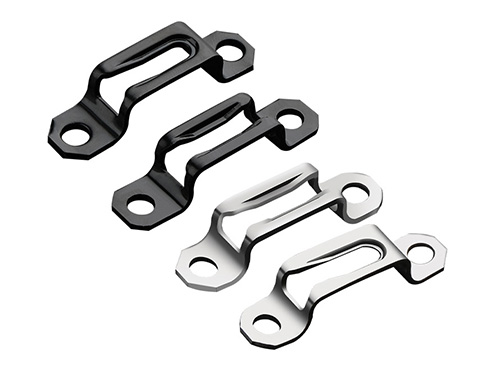
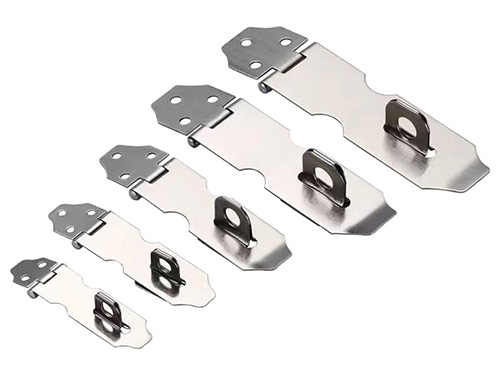
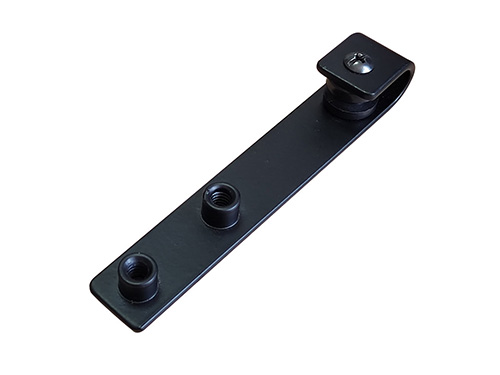
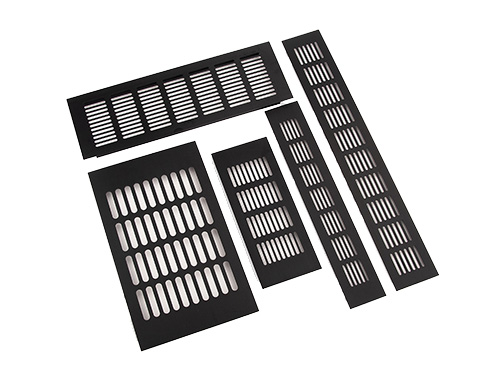
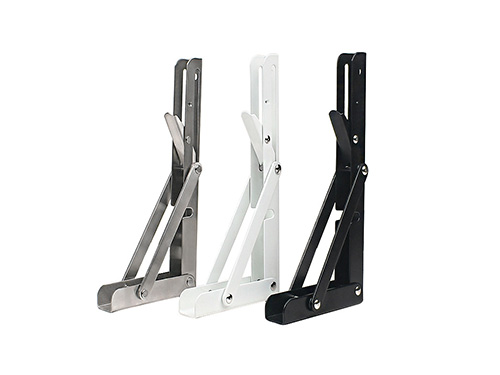
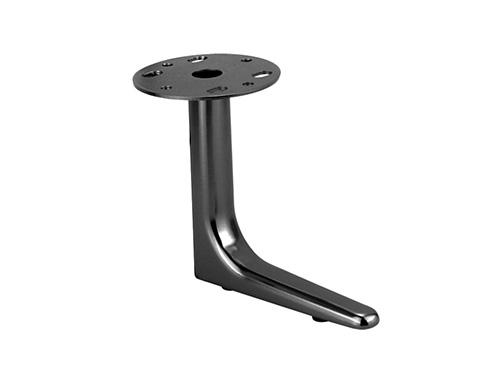
Furniture accessories are integral components that enhance the functionality, durability, safety, and visual appeal of furniture. Ranging from hidden hardware to decorative accents, these parts play a critical role in assembling, using, and maintaining furniture across residential, commercial, and industrial settings. Below is a comprehensive guide to common furniture accessories, their types, applications, and key considerations—ideal for product catalogs, B2B sales materials, or furniture manufacturing documentation.
1. Core Functional Accessories (Mechanical & Structural)
These accessories ensure furniture stability, mobility, and usability, serving as the "backbone" of furniture design.
1.1 Fasteners & Connecting Hardware
Types: Screws (wood screws, machine screws), bolts, nuts, washers, dowels (wooden/metal), cam locks, corner brackets, and joining plates.
Key Features:
Material options: Steel (galvanized/black oxide for corrosion resistance), brass (aesthetic finish), stainless steel (outdoor/ humid environments).
Sizes: Customized to furniture thickness (e.g., 3mm–8mm dowels, #6–#12 screws).
Applications:
Assembling cabinets, tables, chairs, and wardrobes (cam locks for quick, tool-free assembly; corner brackets for reinforcing joints).
Securing tabletops to legs, shelf supports to cabinets, and drawer fronts to boxes.
1.2 Drawer & Sliding Mechanisms
Types: Ball-bearing slides (side-mounted/undermount), soft-close slides, telescopic slides, and wooden drawer runners.
Key Features:
Load capacity: 10kg–100kg (residential vs. commercial use).
Soft-close technology: Hydraulic dampers for quiet, smooth closing (prevents slamming).
Extension: Full-extension (access entire drawer) or partial-extension designs.
Applications:
Kitchen cabinets, office desks, dressers, and storage units.
Heavy-duty slides for tool cabinets, industrial workbenches, and hospital furniture.
1.3 Hinges
Types: Butt hinges (standard), concealed hinges (invisible for modern aesthetics), pivot hinges, soft-close hinges, and cabinet door hinges (overlay/inset).
Key Features:
Material: Stainless steel, zinc alloy, or brass (rust-resistant, durable).
Opening angle: 90°–170° (customizable for full access).
Soft-close function: Reduces noise and wear.
Applications:
Cabinet doors, wardrobe doors, folding tables, and chair seats.
Concealed hinges for minimalist kitchen/bathroom vanities; pivot hinges for heavy doors.
1.4 Casters & Wheels
Types: Swivel casters (360° rotation), fixed casters, locking casters (brake mechanism), heavy-duty casters, and decorative casters (wooden/metal).
Key Features:
Load capacity: 5kg–500kg (residential chairs vs. industrial shelving).
Wheel material: Rubber (floor-protective, quiet), plastic (affordable), metal (heavy-duty).
Applications:
Office chairs, mobile storage cabinets, coffee tables, and hospital beds.
Locking casters for safety (e.g., school desks, kitchen islands).
1.5 Shelf Supports
Types: Adjustable shelf pins (plastic/metal), bracket supports, floating shelf brackets, and wire shelf clips.
Key Features:
Adjustability: Multiple height options for flexible storage.
Load-bearing: 5kg–30kg per support (bookshelves vs. light display shelves).
Applications:
Bookshelves, kitchen cabinets, pantry organizers, and closet systems.
2. Decorative & Aesthetic Accessories
These accessories elevate furniture design, adding style, personalization, and visual interest.
2.1 Handles & Knobs
Types: Cabinet knobs (round, square, decorative), drawer pulls (bar pulls, cup pulls), and door handles (leather, metal, wood).
Key Features:
Materials: Aluminum, zinc alloy, wood, glass, or ceramic (matte, polished, or brushed finishes).
Styles: Modern (sleek, minimal), traditional (ornate, carved), industrial (metal, rustic).
Applications:
Kitchen cabinets, dressers, wardrobes, and office desks.
Statement knobs for accent furniture (e.g., vintage dressers, children’s closets).
2.2 Decorative Trims & Mouldings
Types: Wooden mouldings (baseboards, crown mouldings), metal trims, edge banding (PVC, wood veneer), and inlays (marble, metal).
Key Features:
Material compatibility: Matches furniture base material (e.g., oak trim for oak tables).
Finish: Stained, painted, or natural (for a cohesive look).
Applications:
Table edges, cabinet tops, bed frames, and wall-mounted shelves.
Edge banding for particleboard/MDF furniture (hides raw edges, improves durability).
2.3 Legs & Feet
Types: Wooden legs (turned, tapered), metal legs (hairpin, tubular), plastic feet, and decorative feet (claw, bun feet).
Key Features:
Height: 10cm–30cm (customizable for seating/table height).
Stability: Non-slip pads (prevents floor scratching, improves grip).
Applications:
Chairs, sofas, coffee tables, and dressers.
Hairpin legs for mid-century modern furniture; claw feet for vintage-style beds.
2.4 Decorative Accents
Types: Metal brackets (ornate designs), inlay strips (brass, mother-of-pearl), furniture tacks, and fabric upholstery accessories (buttons, piping).
Applications:
Vintage-style sofas, wooden chests, and accent chairs.
Upholstery buttons for tufted sofas; metal tacks for leather furniture.
3. Storage & Organizational Accessories
These accessories maximize space utilization and keep furniture organized, catering to practical needs.
3.1 Drawer Organizers
Types: Dividers (wooden/plastic), utensil trays, jewelry organizers, and stackable drawer inserts.
Key Features:
Customizable compartments: Fits different item sizes (silverware, office supplies, jewelry).
Material: Bamboo (eco-friendly), plastic (affordable), or fabric (soft for delicate items).
Applications:
Kitchen drawers, dressers, office desks, and bathroom vanities.
3.2 Closet & Wardrobe Accessories
Types: Hangers (wooden, plastic, velvet), tie racks, belt hooks, shoe organizers, and shelf dividers.
Key Features:
Space-saving: Slim profiles, stackable designs, or over-the-door mounting.
Non-slip: Velvet hangers for clothing; rubberized hooks for belts.
Applications:
Residential closets, walk-in wardrobes, and hotel rooms.
3.3 Cabinet Inserts
Types: Lazy Susans (rotating shelves), spice racks, pull-out trash bins, and drawer organizers for cookware.
Key Features:
Accessibility: Rotating or pull-out designs for hard-to-reach corners.
Durability: Metal or plastic construction (resistant to moisture in kitchens/bathrooms).
Applications:
Kitchen cabinets, pantry organizers, and bathroom vanities.
4. Safety & Protective Accessories
These accessories prevent damage to furniture, floors, or users, enhancing longevity and safety.
4.1 Floor Protectors
Types: Furniture pads (felt, rubber, silicone), chair glides, and caster cups.
Key Features:
Non-scratching: Felt pads for hardwood floors; rubber pads for tile/linoleum.
Anti-slip: Prevents furniture from moving accidentally.
Applications:
Chair legs, table legs, sofa feet, and heavy cabinets.
4.2 Child Safety Accessories
Types: Cabinet locks (magnetic, adhesive), drawer stops, and corner guards (soft plastic).
Key Features:
Easy installation: No drilling required (adhesive locks); durable materials (resistant to child tampering).
Applications:
Kitchen/bathroom cabinets, drawers, and sharp-edged furniture (e.g., coffee tables).
4.3 Anti-Tip Devices
Types: Furniture anchors (wall-mounted), strap kits, and weight bases for tall furniture.
Key Features:
Secures tall items (wardrobes, bookcases) to walls, preventing tipping (critical for child safety).
Applications:
Tall cabinets, bookshelves, dressers, and TV stands.
5. Key Considerations for Selecting Furniture Accessories
Material Compatibility: Choose accessories that match the furniture’s base material (e.g., stainless steel for outdoor furniture, wooden knobs for solid wood cabinets).
Load Capacity: Ensure accessories (e.g., slides, casters, shelf supports) can withstand the intended weight.
Style Cohesion: Align decorative accessories (handles, legs) with the furniture’s design theme (modern, traditional, industrial).
Durability: Prioritize corrosion-resistant materials (stainless steel, zinc alloy) for humid environments (kitchens, bathrooms).
Ease of Installation: Opt for tool-free or simple-assembly accessories (e.g., cam locks, adhesive floor pads) for user convenience.
Safety: For residential/commercial use, select child-safe locks, non-slip pads, and anti-tip devices to meet safety standards.
Furniture accessories bridge functionality and design, transforming basic furniture into practical, stylish, and durable products. Whether for mass-produced furniture or custom pieces, choosing the right accessories ensures customer satisfaction and long-term product performance.