
-
E-mail:
18333041899@163.com -
Tel:
86-18333041899
E-mail:
18333041899@163.comTel:
86-18333041899
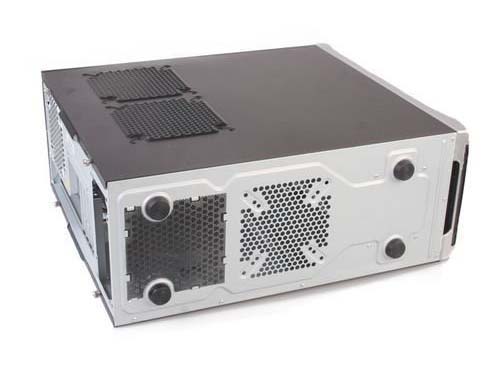
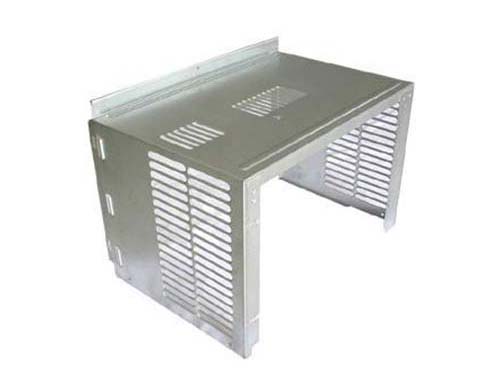
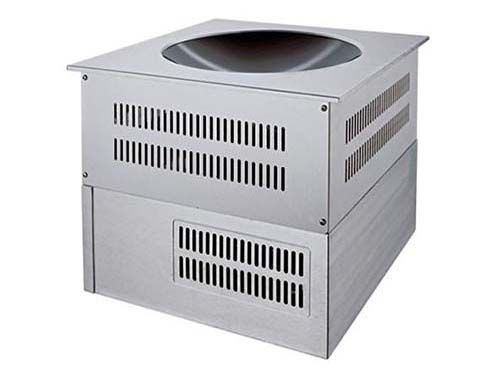
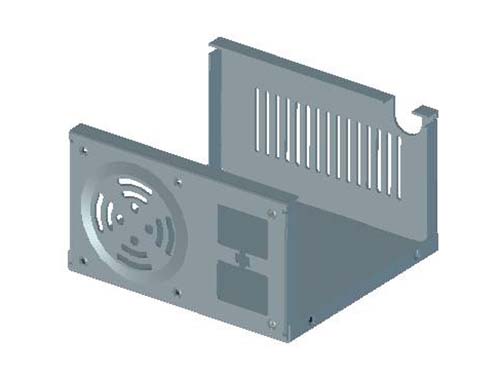
Chassis parts form the core mechanical framework of vehicles(passenger cars,commercial vehicles,EVs,and off-road equipment),integrating functions of load-bearing,power transmission,steering,braking,and suspension.These components are critical to vehicle handling,ride comfort,and safety—withstand dynamic forces(acceleration,braking,cornering)and harsh operating conditions(road impacts,temperature fluctuations).Engineered for high rigidity,durability,and precision,chassis parts leverage advanced manufacturing processes(stamping,forging,CNC machining,and welding)and high-performance materials to meet stringent automotive industry standards.This document comprehensively covers core classifications,material selection,manufacturing technologies,performance requirements,and industry applications of chassis parts,incorporating the latest technical innovations and enterprise practices.
I.Core Definitions&Functional Roles
1.What Are Chassis Parts?
Chassis parts refer to a category of mechanical components that constitute the vehicle's undercarriage framework,excluding the body,engine,and electrical systems.Their core functional roles include:
Load-Bearing:Support the vehicle's weight(curb weight+payload)and distribute forces evenly across components(e.g.,frame rails,crossmembers).
Power Transmission:Transfer torque from the powertrain to the wheels(e.g.,driveshafts,axles,differential gears).
Steering Control:Enable precise direction adjustment(e.g.,steering rack,tie rods,ball joints)with minimal friction.
Braking Performance:Convert kinetic energy into thermal energy to decelerate or stop the vehicle(e.g.,brake discs,calipers,brake pads).
Suspension&Shock Absorption:Mitigate road vibrations and impacts(e.g.,springs,shock absorbers,control arms)to ensure ride comfort and tire contact.
Safety Protection:Absorb crash energy during collisions(e.g.,crash rails,subframes)to protect passengers and critical components.
2.Key Performance Benchmarks
Chassis parts must meet rigorous performance criteria to balance structural integrity,functionality,and durability:
Structural Rigidity:Tensile strength≥590MPa(high-strength steel components);bending stiffness≥10⁵N·m²/m(frame rails).
Durability:Fatigue life≥10⁶cycles(suspension components);corrosion resistance≥1000 hours(salt spray test for steel parts).
Precision:Dimensional tolerance±0.05mm(CNC-machined components);steering system backlash≤1.5°(tie rods,ball joints).
Environmental Adaptability:Operating temperature range-40℃to 120℃(braking components);resistance to automotive fluids(oil,coolant,brake fluid).
Safety Compliance:Meet global standards(FMVSS 126 for electronic stability control,ECE R13 for braking performance)and crashworthiness requirements(NCAP 5-star rating compatibility).
II.Core Classification of Chassis Parts
Chassis parts are categorized by functional systems,with distinct designs for passenger cars,commercial vehicles,and EVs:
1.Frame&Structural Components
The foundational framework that supports all vehicle systems:
1.1 Frame Rails&Crossmembers
Design Features:
Material:High-strength steel(HSS/AHSS,e.g.,DP600,TRIP780),aluminum alloy(6061/6063 for EVs),or carbon fiber-reinforced polymer(CFRP for premium models).
Structure:Ladder frame(commercial vehicles)with stamped steel rails(cross-section 100×50mm,thickness 3–6mm);unibody subframes(passenger cars)with welded stamped steel/cast aluminum components.
Reinforcements:Box-section crossmembers(spaced 300–500mm apart)for torsional rigidity;crash rails(extruded aluminum)at front/rear for impact absorption.
Core Performance:
Torsional rigidity≥20,000 N·m/rad(passenger car frames);load-bearing capacity≥5000kg(commercial vehicle ladder frames).
Impact energy absorption≥30kJ(front crash rails)to meet NCAP crash standards.
Applications:All vehicles—ladder frames for trucks/buses/off-road vehicles;unibody subframes for sedans/hatchbacks/EVs.
Manufacturing Processes:Stamping(steel rails,progressive die stamping with tolerance±0.05mm),extrusion(aluminum rails),robotic spot welding(assembly),and surface treatment(galvanization for steel,anodizing for aluminum).
1.2 Subframes&Suspension Mounts
Design Features:
Material:Cast aluminum alloy(A356)for lightweighting,stamped steel(Q235)for cost-effectiveness,or hybrid steel-aluminum designs.
Structure:Integral subframes with mounting points for suspension,engine,and steering components(dimensional tolerance±0.03mm for mounting holes).
Cushioning:Rubber bushings(EPDM)or hydraulic mounts to reduce vibration transmission(vibration attenuation≥20dB).
Core Performance:
Bending strength≥800MPa(cast aluminum subframes);fatigue life≥2×10⁶cycles(suspension mounts).
Applications:Passenger cars,EVs(e.g.,Tesla Model Y’s aluminum front subframe),commercial vehicles.
Manufacturing Processes:Die casting(aluminum subframes),stamping+welding(steel subframes),CNC machining(mounting points),and adhesive bonding(bushings).